Equine Fence Installation Horseshoe Bend, ID
Get a Free Estimate50+
Years Combined Experience
Free
Estimates — No Obligation
Licensed & Insured
Idaho Contractor
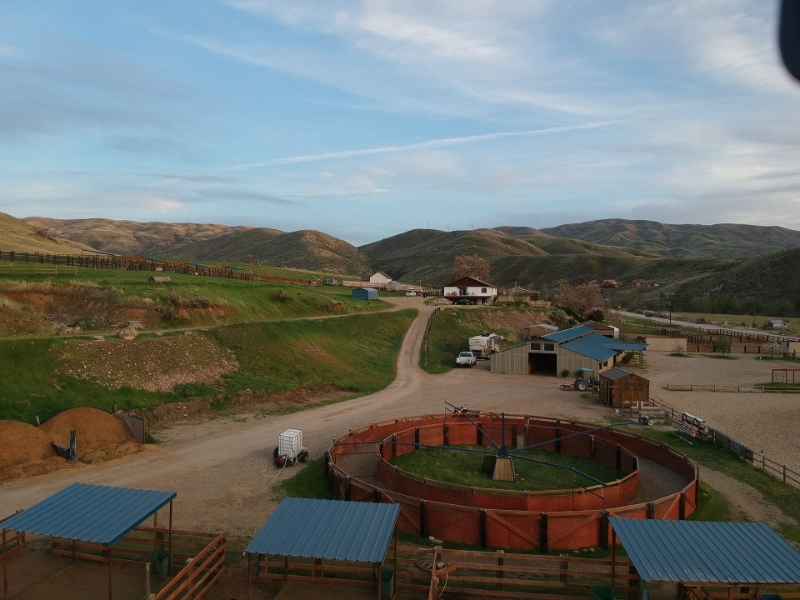
In Horseshoe Bend, horse fencing is not a weekend project you pick up at the hardware store and figure out as you go. The terrain here is rocky, the winters are hard, and a fence that fails means your horses are on the highway at 2 a.m. We install equine fencing in Horseshoe Bend for horse properties, working pastures, paddocks, and large-acreage perimeters. If you are ready to get a fence that holds through Idaho winters and keeps your animals where they belong, fill out the form or give us a call and we will come out for a free on-site estimate.
How Deep Do Horse Fence Posts Need to Go in Horseshoe Bend?
In Horseshoe Bend, horse fence posts need to go at least 2 to 3 feet deep. Idaho's freeze-thaw cycles push shallow posts out of the ground every winter. Rocky or granite soil in parts of Boise County may require drilling equipment to reach proper depth.
Use treated wood or steel T-posts rated for livestock and Idaho weather conditions. Set posts 8 to 12 feet apart to keep fence tension strong and even across the full run. In granite-heavy areas, rock-drilling equipment is often needed to hit the proper depth.
Corner and gate posts should go 3 to 3.5 feet deep for added stability. Where we hit ledge rock before reaching depth, we use brace-and-anchor systems to keep posts from shifting. We have seen posts set at 18 inches heave up every spring on Boise County properties. Getting the depth right the first time is not optional here.
The Right Height and Spacing for Safe Equine Fencing
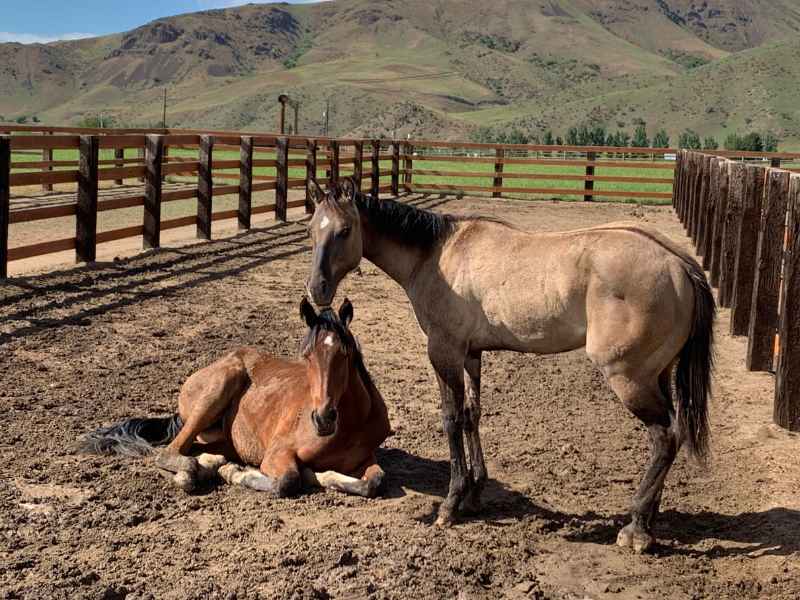
Your horse fence should stand 54 to 60 inches above the ground. A good rule is to match the shoulder height of your tallest horse, then add a few inches. A fence that is too short gets tested by even calm horses, and one bad decision on a dark morning can end badly.
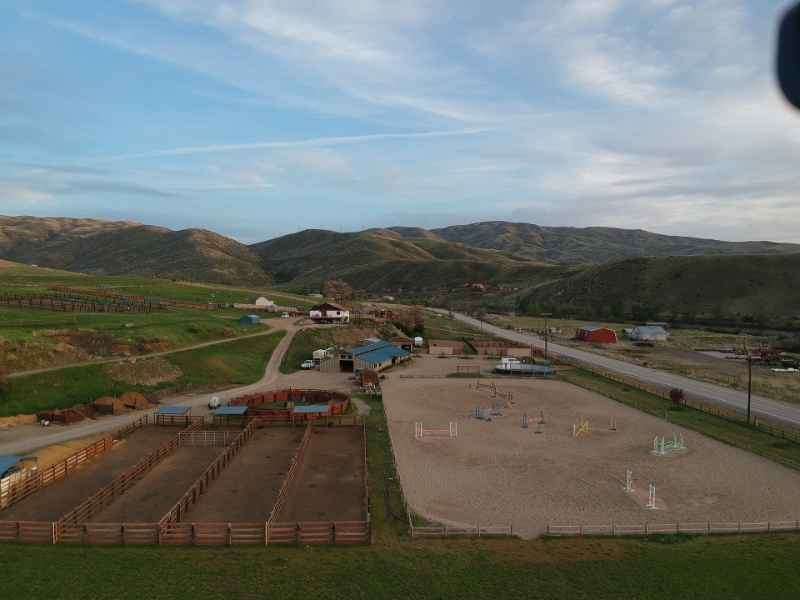
Leave at least 8 inches of clearance at the bottom so small animals can pass under rather than get trapped. Post spacing should run 8 to 12 feet for proper tension, especially on sloped ground. Properties on Alder Creek Road and Dry Buck Road often run a mix of horses, cattle, and goats, and spacing specs vary depending on which animals you are containing.
We use no-climb horse wire on most equine jobs. It does not sag, it does not splinter, and it does not create gaps that catch a hoof. For larger horse pastures, we pair it with treated post-and-rail for visibility and strength.
Why Idaho Horse Owners Hire a Pro Instead of Going DIY
The decision comes down to terrain and time. Setting posts in Horseshoe Bend is not like setting posts in a flat backyard. Much of the ground along the Payette River corridor runs granite and hardpan. Without a rock drill, you are stopping at 12 to 18 inches, and a post at that depth will not survive one Boise County winter.
Most horse property owners in the area commute to Boise during the week. A 10-acre pasture perimeter fence is a multi-day job even for a full crew. Add in post-setting, bracing, no-climb wire installation, and gate hanging, and a DIY attempt stretches across several weekends with no guarantee the posts are right. One bad gate latch or one shallow corner post and the whole line is compromised. We bring the right equipment for hard soil, set posts to the correct depth for Idaho's frost line, and hang gates that work. You get a fence that does its job the first time.
Free Estimate
Fence Materials That Hold Up Through Idaho Winters, and Which Ones Do Not
At 2,700 feet in Horseshoe Bend, your fence faces low winter temps, UV exposure from the high-altitude sun, and heavy moisture swings between snowmelt season and dry summer. Not every material handles that combination the same way.
Treated wood post-and-rail is the most common choice we install in Horseshoe Bend. When posts are set dry and deep, treated wood holds up well and looks right on rural Idaho properties. No-climb horse wire (2×4 welded mesh) pairs well with post-and-rail for livestock containment without sharp edges or sag. Vinyl has its place in some applications, but it becomes brittle below zero and we see it crack on mountain valley properties more often than homeowners expect.
Here is what we do NOT recommend for horses:
- Barbed wire: it causes severe lacerations and is not a livestock fence, it is a hazard
- Narrow mesh wire: gaps trap hooves
- Single-strand high-tensile wire: horses cannot see it and run through it
- Brittle vinyl boards in exposed areas: they splinter on impact and create sharp edges
If you have an existing barbed wire line and horses, call us. We can walk the property and talk through a replacement that actually works for your animals.
What Boise County Property Owners Say
⭐⭐⭐⭐⭐ 4.9 Rating · 50 Google Reviews
Sarah M.
Horseshoe Bend, ID
"Tim and his crew did an excellent job on our horse fence. They set posts deep in our rocky soil and the fence hasn't moved through two winters. Showed up when they said they would and stayed within the quoted price."
Jason K.
Garden Valley, ID
"Heartland came in on budget and cleaned up after themselves every day. The quote was detailed — materials and labor listed separately — so I knew exactly what I was paying for. Great family to work with."
Rebecca T.
Horseshoe Bend, ID
"Used Heartland for a privacy fence around our backyard. They were the only contractor who came out to actually look at the property before quoting. The fence looks fantastic and it's solid. Highly recommend."
Dave L.
Banks, ID
"Had about 800 feet of cattle pasture fence installed through rocky terrain. The crew handled the hard ground without any problems and finished on schedule. Price was fair and the fence is built to last."
Mark H.
Eagle, ID
"Family business that actually cares about their reputation. Tim walked the fence line with me before starting and pointed out things I hadn't considered. Fair price, great result. They're the only fencing company I'd recommend in this area."
Linda W.
Emmett, ID
"Heartland installed a three-rail fence along the front of our property and it looks beautiful. Workmanship is top quality and you can tell they take pride in it. They also handled the permit process for us — easy experience start to finish."
Signs Your Horseshoe Bend Property Needs a New Horse Fence
An aging fence does not fail all at once. It gives you warnings first. The problem is that some of those warnings, like rot at the post base, are not visible until the post is already weak.
Watch for these signs:
- Posts leaning more than 3 inches from vertical
- Rails sagging or pulling away from post connections
- Soft or spongy wood at ground level when you push on a post
- Gates that no longer latch or hang square in the frame
- Horses pressing or testing the line consistently
Horseshoe Bend's spring runoff and freeze-thaw cycles eat at post bases from the inside. A post that looks solid from the top can be rotted through at the soil line. If you are seeing any of these signs, the repair window is narrower than you think. We can come out, walk the fence line, and tell you straight whether you are looking at spot repairs or a full replacement.
Frequently Asked Questions
Can you install horse fencing on rocky terrain in Horseshoe Bend? +
Yes, we bring rock-drilling equipment to properties with granite and hardpan soil, which is common throughout Boise County. We set posts to the correct depth regardless of what we hit on the way down. You will not get a fence with shallow posts just because the soil is hard.
What type of fence works best on sloped Idaho property? +
Post-and-rail with no-climb horse wire is our go-to for sloped terrain. We set each post plumb even on hillside runs, which keeps tension consistent and prevents sagging at low points. We adjust post spacing on steep grades to maintain strength across the full line.
How long does horse fence installation take in Horseshoe Bend? +
Timeline depends on linear footage, terrain, soil conditions, and the time of year. We give you a specific timeline at the estimate, not a vague range. What we will tell you upfront is whether your property has conditions that add days to the job, so you can plan around it.
Do you install gates as part of equine fencing? +
Yes, gates are part of almost every equine fence job we do. We size them for what you need: single walk-through gates, wide drive-through openings for horse trailers and equipment, and custom entry gates. If you need something specific, Tim and Matt can build it.
Is barbed wire ever acceptable for horses in Idaho? +
No. Barbed wire causes serious injuries to horses and is not appropriate for equine containment. We replace barbed wire fence lines regularly on Boise County horse properties. No-climb horse wire paired with post-and-rail is the right replacement for almost every situation.
Do you handle permits for horse fence installation in Boise County? +
Most rural horse fences in Boise County do not require a permit, but we confirm that with you before we start. If your project does require a permit, we walk you through what is needed. You will know what to expect before any work begins.